By Aditya Acharya
The annual timber harvest from the Austrian forests is roughly 20 million cubic meters. And the capacity of Austrian forest industries to process the timber, annually, is 32 to 34 million cubic meters. So, there is a gap of around 12 to 14 million cubic meters between the demand and supply from the Austrian forests. Austrian forest industries import wood from the neighboring countries like Germany and Czech Republic, manufacture the wooden products and export them.
That is a simple rule – deficit of raw materials for the industry should be fulfilled by importing from wherever possible.
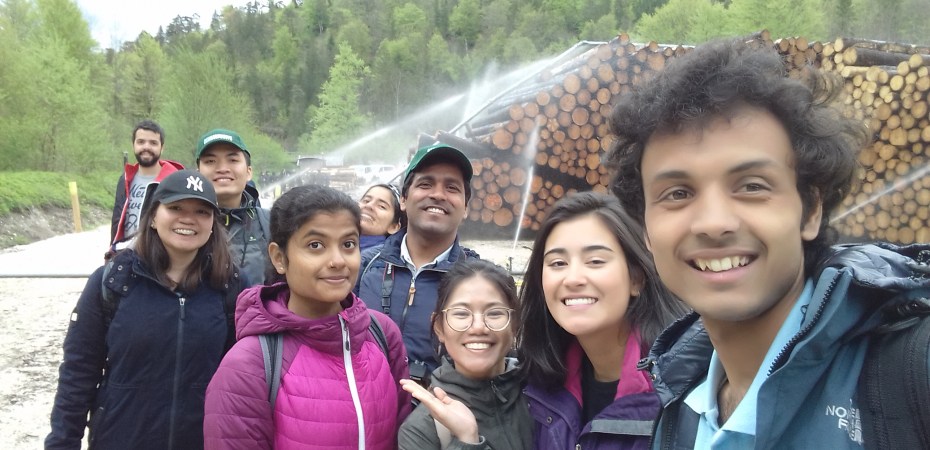
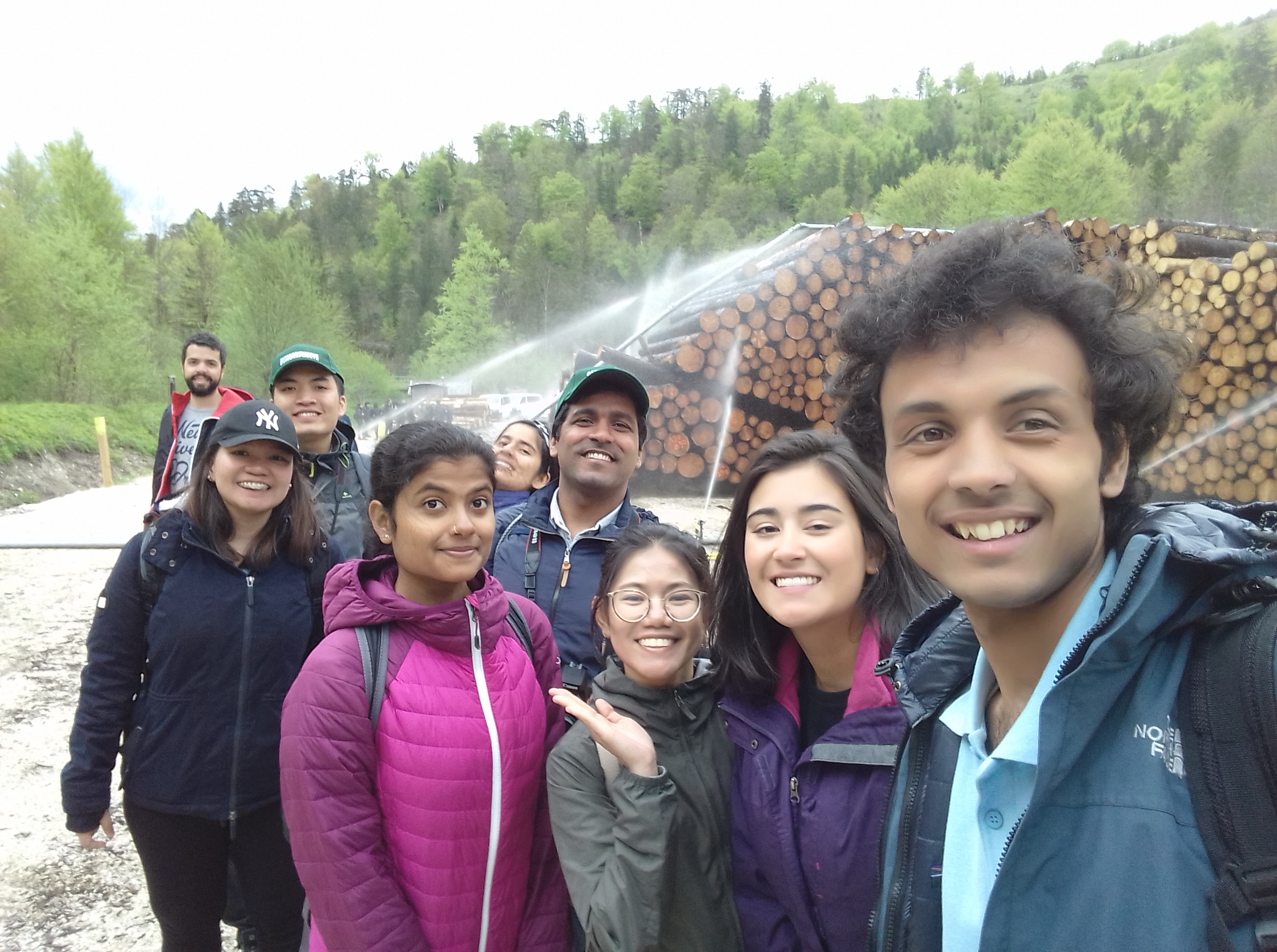
Today, we visited the ‘Austrian Federal Forests’ (Österreichische Bundesforste), a company which is responsible for managing the forests and nature of Austria. But despite this big gap between market demand and supply of wood from the Austrian forests, the Austrian Federal Forests is not selling all the wood it harvests; rather it is storing thousands of cubic meters of wood spending extra money for the storage. Why?
Money matters!
Currently, per cubic meter price of timber that Austrian Federal Forests can get by selling its timber is around 70 euros. The timber price has decreased in the past few years, from around 90 euros to the current price. This is because the forest owners in neighboring countries sell their timber at much lower rate than this. One of the reasons behind this is – their forests is infested by the Bark Beetle and they want to get rid of this bark beetle infested wood in their forests, to plan for another plantation or any other reasons. So they offer the timber to a much lower price that Austrian industries, even after the costs that will be incurred for transportation from neighboring countries, will get the timber at a lower price than 70 euros per cubic meters. So they import wood, mainly from Germany, Czech Republic, Slovakia, Slovenia and northern parts of Italy.
And for the Austrian Federal Forests, it costs 10-12 euros per cubic meters for the storage (establishment+storage costs) of the woods that it is not willing to sell it now. And it is hopeful that after storing for about 2 years, it will get higher prices, high enough to get benefits even after spending the storage costs, because the price was around 90 euros some years ago. So, it still expects to benefit around 10 euros per cubic meters by storing the wood it produces now.
It seems that both parties, the forest industries and the Austrian Federal Forests are benefiting. Forest industries are getting raw materials for them now in a much lower price even after bearing transportation costs while the Austrian Federal Forests will manage to get a profit (if prices rise as it is expecting of course) of 10 euros per cubic meters after two years. But, what about the amount of energy consumption here? Energy used up for the transportation of timber from farther forests and energy used up for the construction of site and care of the stored timber? Should it not be a concern at a time when increasing energy consumption is fostering the emissions of greenhouse gases?

********** **********
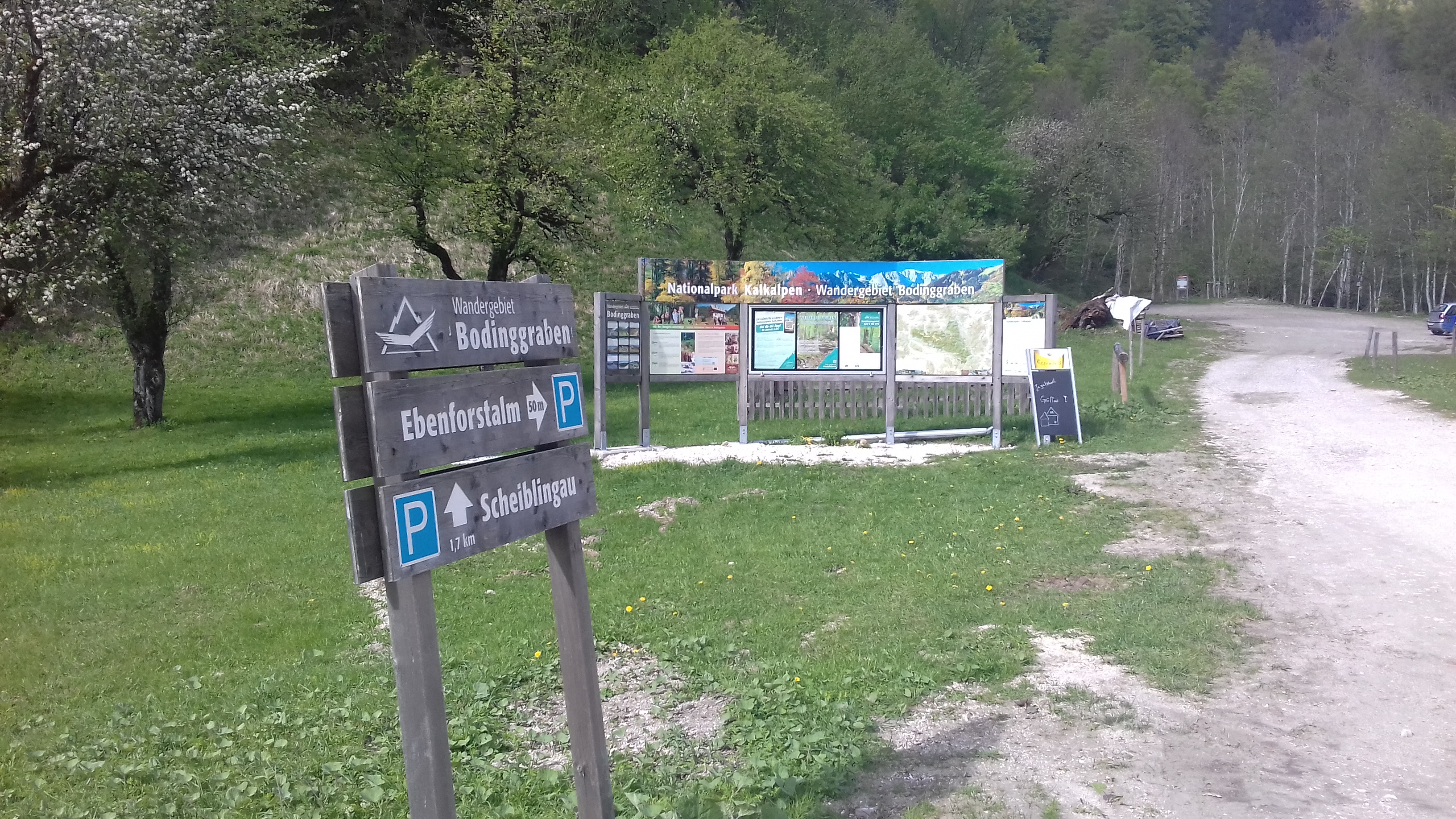
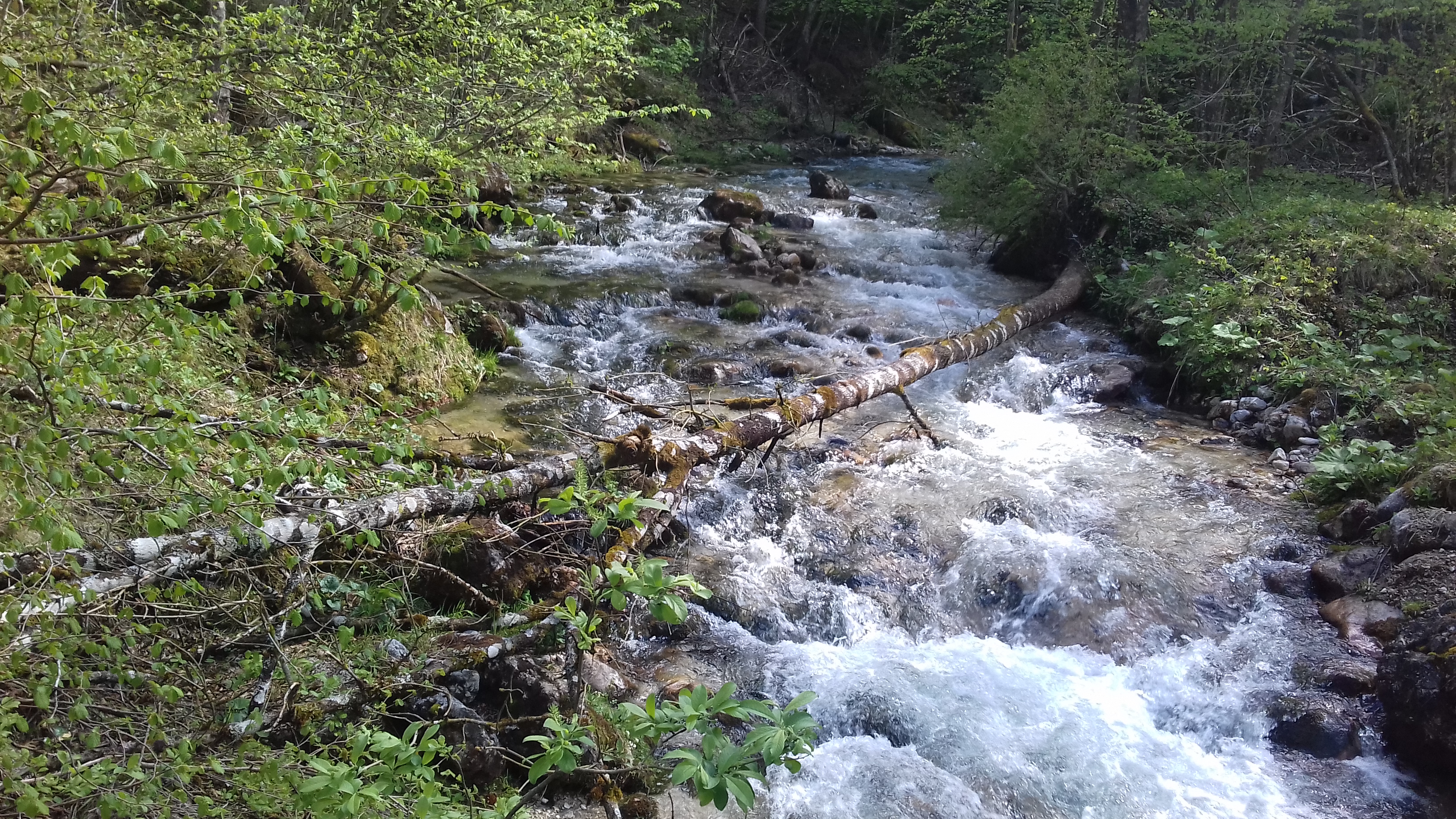
Later, we visited the Kalkalpen National Park.



[Numbers presented in the posts are told by presenters/professor during the presentation and field works]
 A memory lane